Places of worship have always been regarded as refuges, spaces where people can feel safe; but did you know that’s actually a legal obligation?
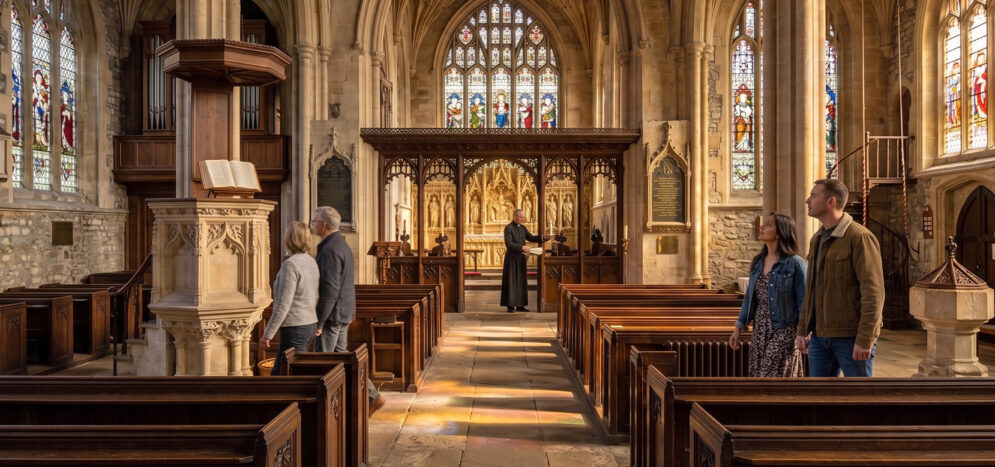
The UK has more than 56,000 places of worship, including churches and other multi-faith premises, and all of them are responsible for complying with national health and safety legislation designed to protect staff and visitors in public places.
Some are purpose-built, some are hundreds of years old – and some are housed in converted buildings such as warehouses and former shops. That doesn’t matter – keeping people safe while using them is a top priority.
What are the risks?
Like any other public space, places of worship need to keep on top of risks such as Fire and Legionella, and also to ensure that they comply with disability access rules.
Some people think that places of worship are exempt because the nature of their activities, but that’s just not true.
They are custodians not only of buildings and spiritual guidance, but also of the wellbeing of the people who worship, work and volunteer there. So they need to have regular risk inspections carried out by professionals, such as our Bison experts, and act on the recommendations that the assessors make in their report.
What about sensitive spaces?
Professional risk assessment companies like Bison Assist are aware that there are extra sensitivities when carrying out an inspection of this kind of public building.
Bison assessors are always discreet when inspecting, and make sure to comply with any requirements that the individual place of worship has. It’s all about respecting the space and the people while making sure to do a good job.
Bison professionals never cause any interruption to the important schedule of worship and community events, and always carry out multi-inspections in a single visit.
Looking after your volunteers
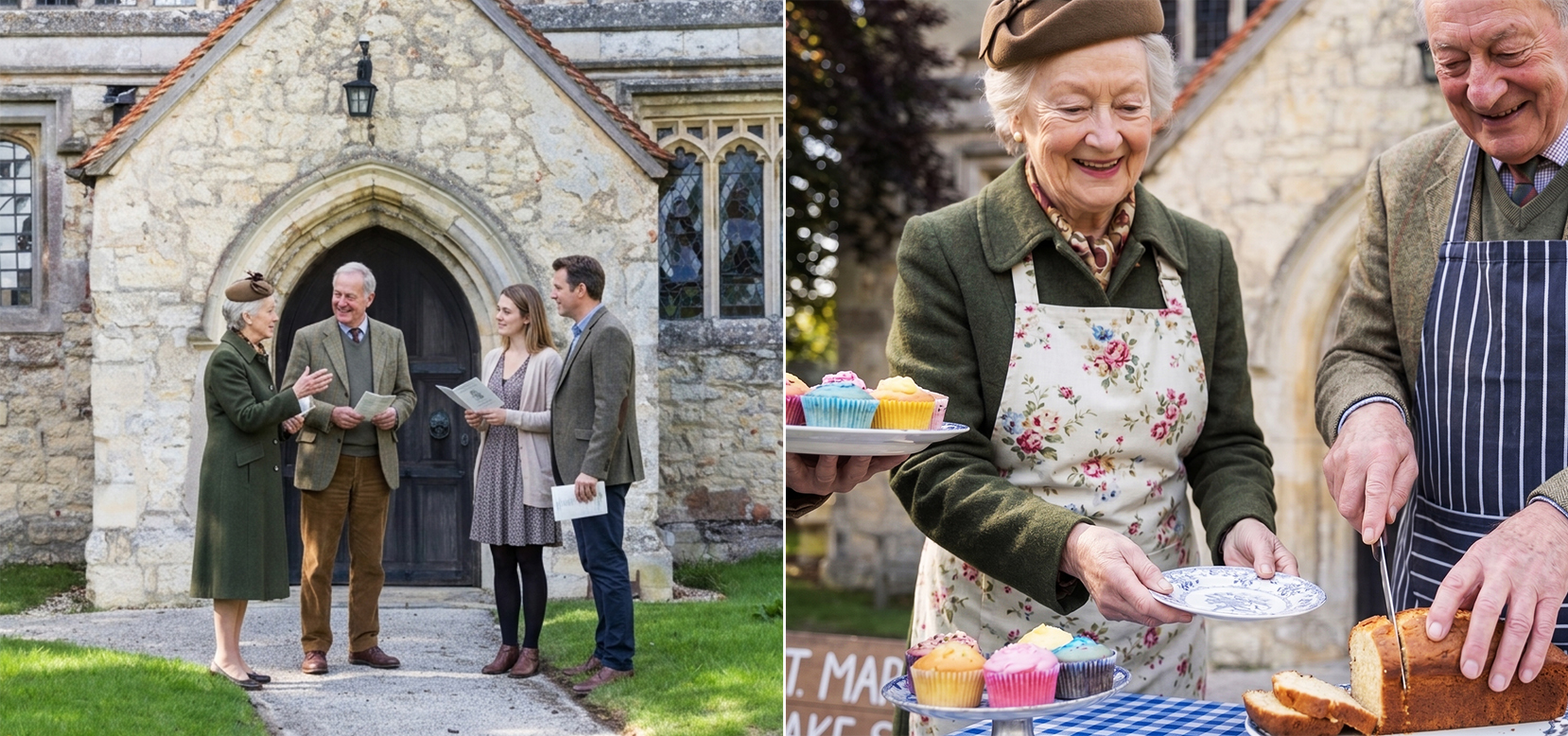
The Health and Safety Executive points out that while places of worship often have a small staff, they can have large numbers of volunteers, and suggest it’s good to include them in risk assessments.
Their guidance says: “This will help you manage any risks that specifically apply to them. You must consult employees and should also include volunteers in a two-way process to allow them to raise concerns and influence decisions on managing health and safety.”
You should always make sure volunteers are fully trained for any role they undertake, and the same goes for contractors brought in to do work – some religious premises have unusual hazards such as bell-towers, aging or converted structures that could cause hazards.
Risk assessments should be kept up to date, but it’s worth remembering that if anything changes between inspections, the risk assessment should be reviewed.
Keeping up to date with legislation
Health and safety legislation is often amended and tweaked, and it can be difficult for staff and volunteers at places of worship ranging from churches to temples, synagogues, mosques, prayer rooms and others to keep up to date.
It can be a big responsibility on the management team, and Bison’s risk assessors are always there to help with queries, no matter how specialist.
It’s a good idea for places of worship to schedule their risk assessments in advance .
It means they can then get on with their important everyday work with confidence that they are doing everything they can to protect worshippers, staff, visitors and volunteers.
Are you involved in running a place of worship? Discover more about risk assessments by Bison Assist.